If your goal is to create books that are not only beautiful, but genuinely enjoyable to use, lay flat binding is no longer a luxury, it is the smart, future ready choice.
|
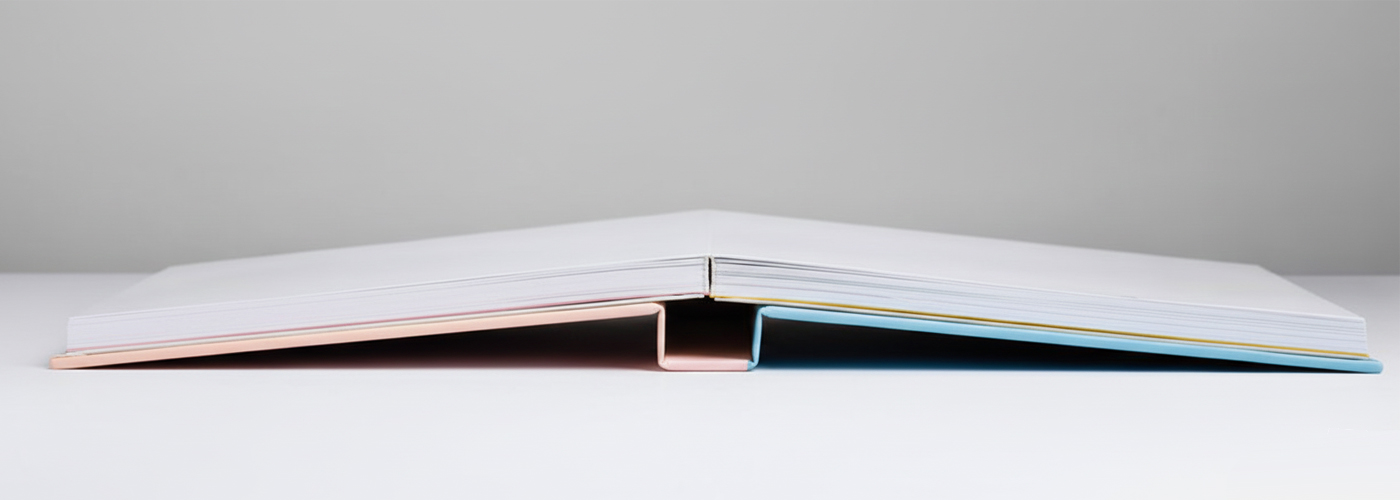
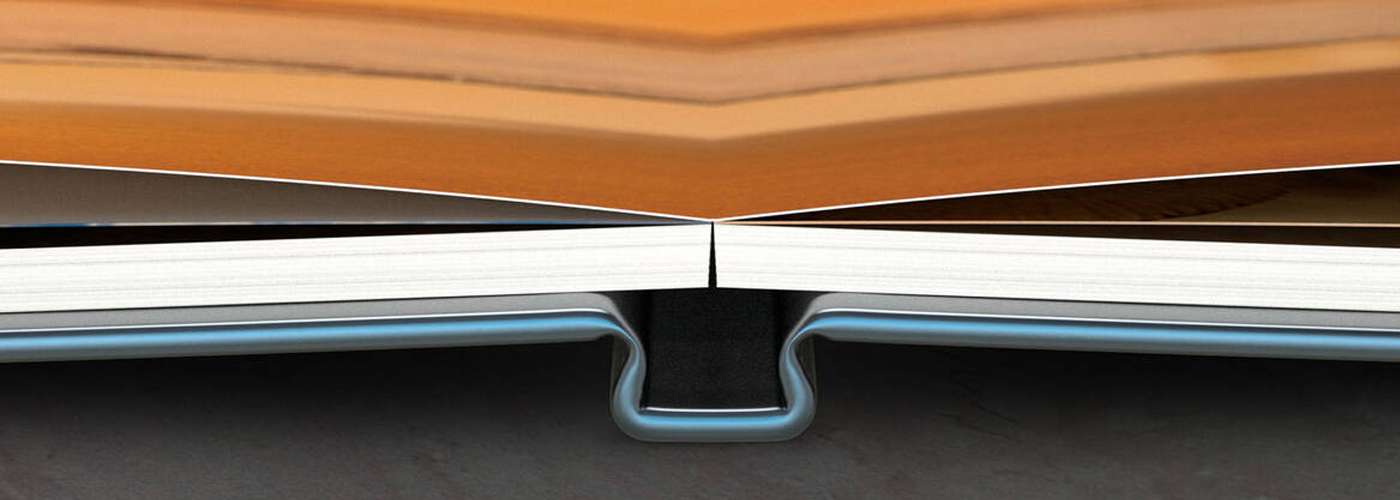
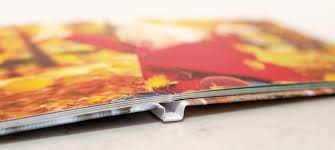
Lay-flat binding is widely recognized as one of the most premium bookbinding methods available today, designed specifically to deliver a superior user experience that traditional perfect binding cannot achieve. Unlike standard bindings that resist opening and create stress on the spine, lay-flat binding allows books to open a full 180 degrees and rest completely flat on any surface. This unique capability makes it the preferred choice for cookbooks, photo albums, instruction manuals, music books, calendars, catalogs, and high-end textbooks—any publication where usability, visual continuity, and durability matter. By combining flexible spine construction, advanced adhesive technologies such as PUR glue, or innovative page-to-page bonding techniques, lay-flat binding eliminates spine creasing while preserving the structural integrity of the book. The result is a refined, professional product that feels premium in the hand and performs flawlessly throughout its lifespan, even with frequent use.
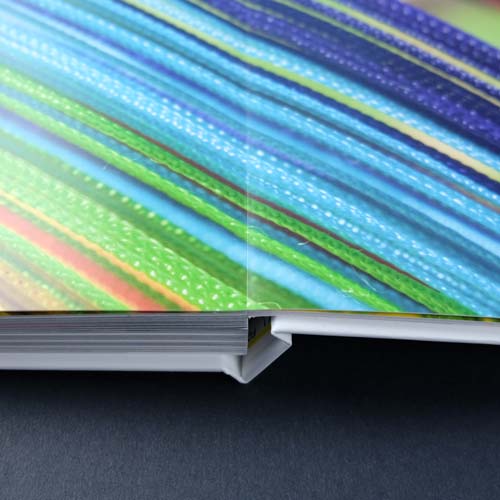
At its core, lay-flat binding stands apart because of several defining characteristics that directly enhance reader interaction. First, the ability to open fully flat ensures that content is always accessible, whether the book is placed on a table, kitchen counter, music stand, or workstation. Second, the flexible spine construction prevents cracking or damage over time, a common issue with traditional perfect binding, especially in thicker books. Third, seamless double-page spreads allow images, diagrams, and panoramic visuals to flow uninterrupted across the gutter, giving designers unprecedented creative freedom. This is particularly valuable for photography books, art publications, and visually driven layouts. Finally, the construction often involves thicker pages, which contributes to a more substantial, high-quality feel—something end users immediately notice and associate with premium craftsmanship. These advantages collectively make lay-flat binding not just a functional upgrade, but a strategic choice for brands focused on excellence.
There are several common types of lay-flat binding, each suited to different production needs and applications. Lay-flat perfect binding—often associated with methods like Otabind or flexible spine binding—uses a special lining material attached to the spine, allowing the book block to move independently from the cover. This enables the pages to lie flat without stressing the spine. Seamless lay-flat binding, frequently used in high-end photobooks, takes a different approach: single-sided printed sheets are folded and glued blank-side to blank-side, forming double-thick spreads that open perfectly flat. This technique is ideal for panoramic images and immersive visual storytelling. Spiral or coil binding, while more utilitarian in appearance, also offers excellent lay-flat performance and is commonly used for manuals, workbooks, and educational materials. In addition, there are specialized and custom lay-flat techniques that combine stitching and advanced gluing processes, often reserved for fine binding and bespoke publishing projects. Each method shares the same core goal—maximum usability and durability—but offers different aesthetic and production trade-offs.
So if lay-flat binding offers such clear advantages, why hasn’t it become the industry standard? Historically, the answer has come down to speed, complexity, and cost. Lay-flat binding is inherently more time-consuming than conventional perfect binding, as it often involves gluing pages together throughout the book rather than applying adhesive only at the spine. The process also demands greater precision and quality control to ensure consistency across spreads. Additionally, the required equipment represents a significant investment, with standard lay-flat binding machines often costing well over £100,000. For many producers, these factors made lay-flat binding difficult to justify, especially when customers were accustomed to traditional bindings. As a result, it remained a niche option despite its clear benefits. However, advances in workflow optimization, automation, and adhesive technology have fundamentally changed this equation.
This is where modern production expertise makes all the difference. By building sufficient capacity, investing in specialized equipment, and mastering the lay-flat process, it is now possible to deliver lay-flat books with lead times comparable to standard perfect binding. At WowBooks, for example, lay-flat binding is no longer positioned as a slow or exclusive alternative, but as an accessible, high-performance solution. With a 48-hour production turnaround from artwork submission to dispatch, lay-flat books can now meet the same deadlines as conventional products—without compromising quality. For brands and publishers focused on delivering the best possible user experience, lay-flat binding represents a clear upgrade. It enhances readability, improves durability, elevates perceived value, and unlocks new design possibilities. If your goal is to create books that are not only beautiful, but genuinely enjoyable to use, lay-flat binding is no longer a luxury—it is the smart, future-ready choice. |
| Tag:Lay Flat Binding,bookbinding,book binding,photo book,layflat binding |
Please Leave Your Messenger Here!
We will do our best to make your business prosperous!






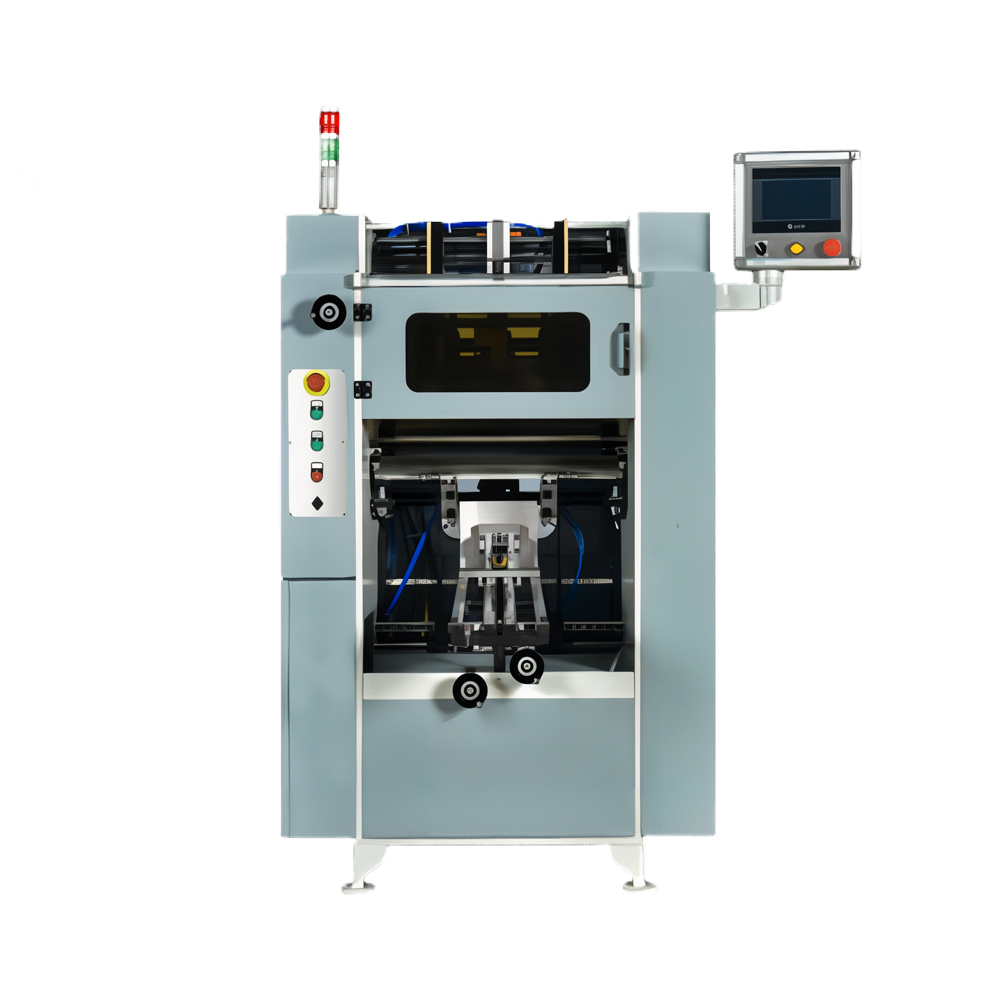 Automatic Lay Flat Mounting Machine
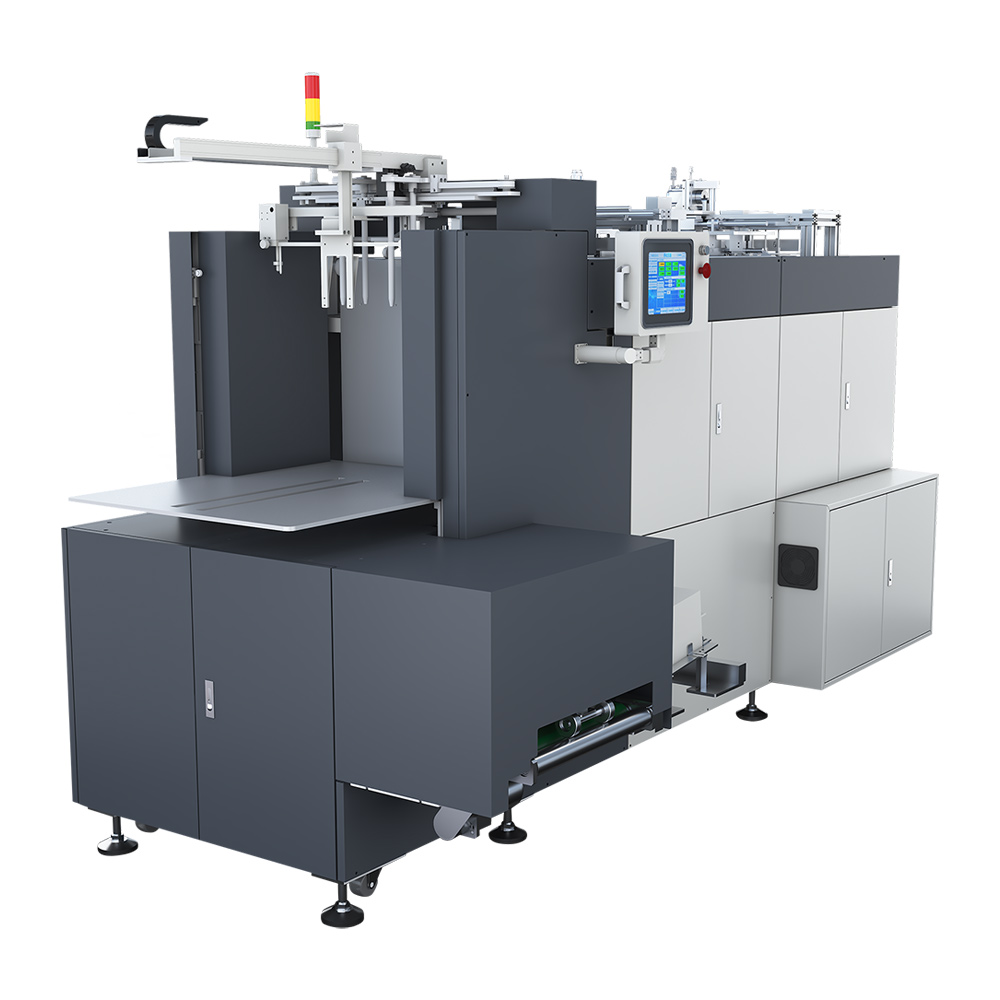 HX3000B Automatic Lay Flat Binding Machine
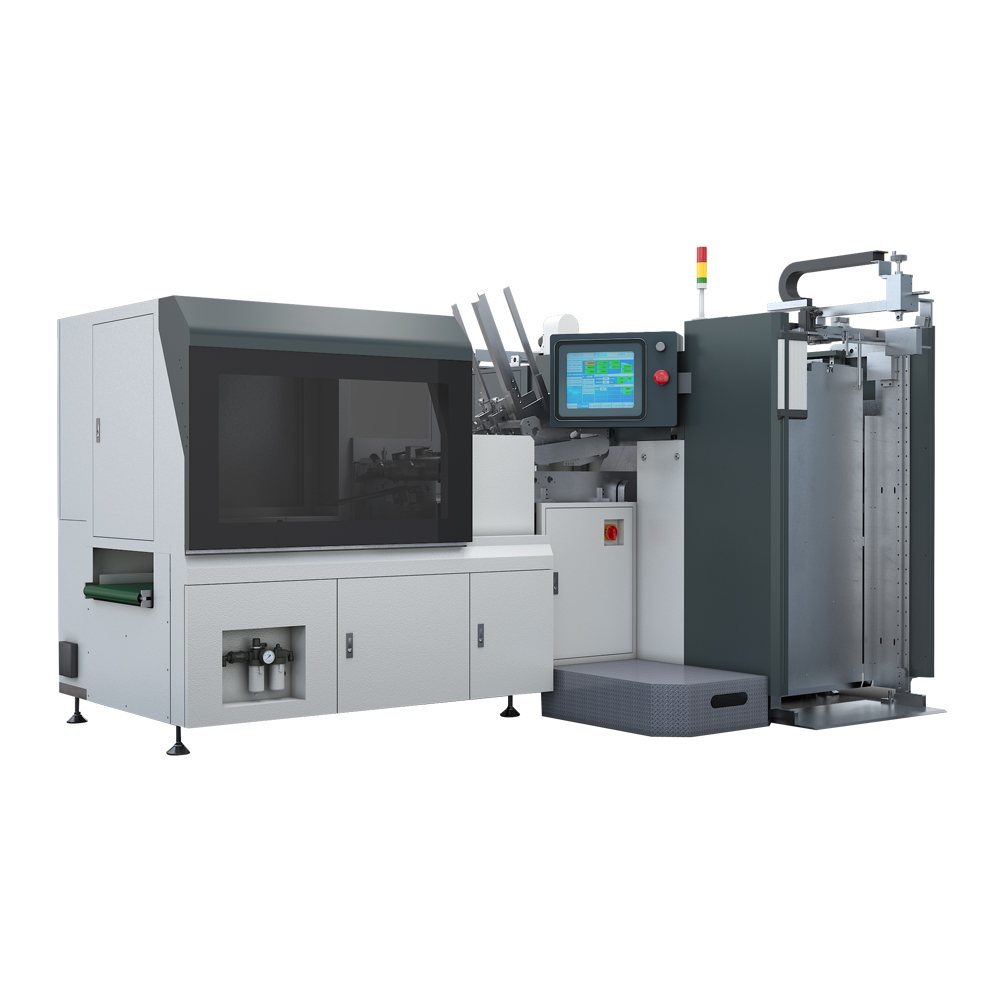 HX5000B Automatic Lay Flat Binding Machine