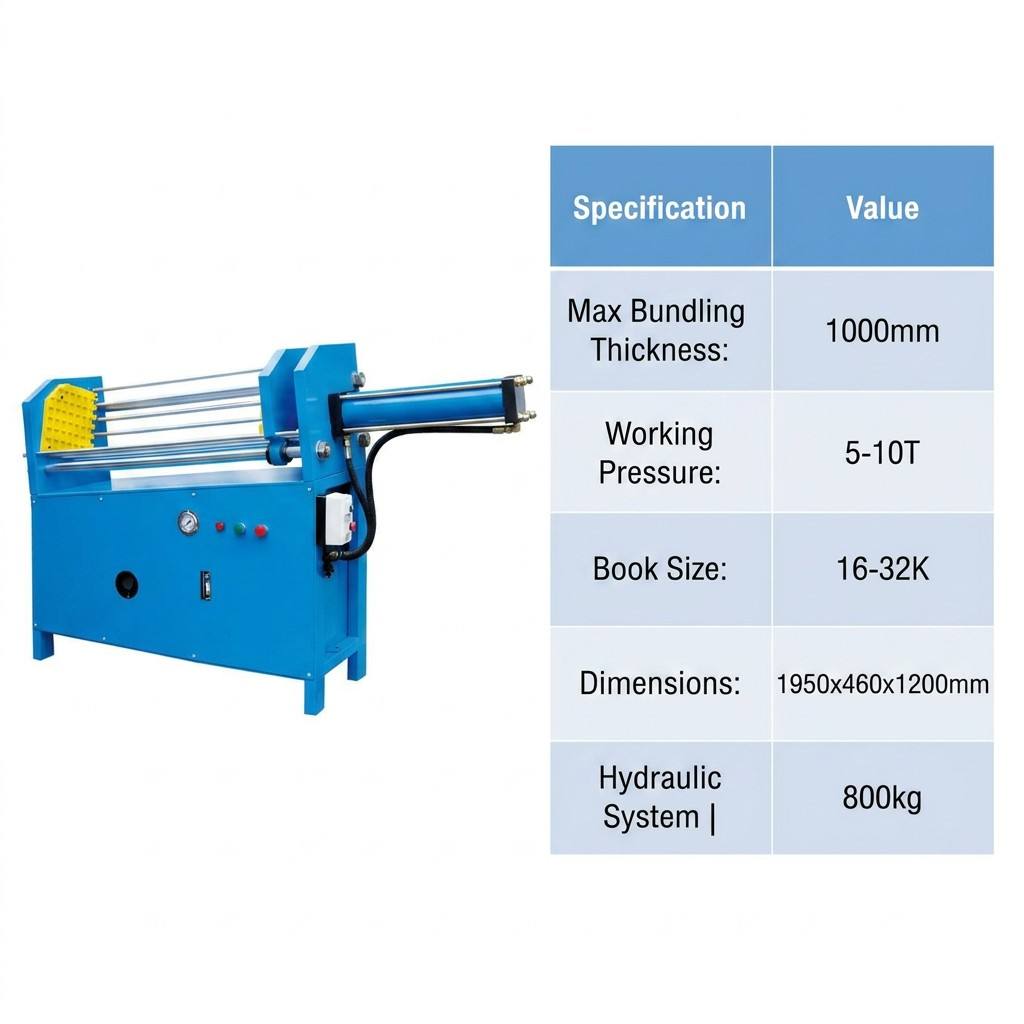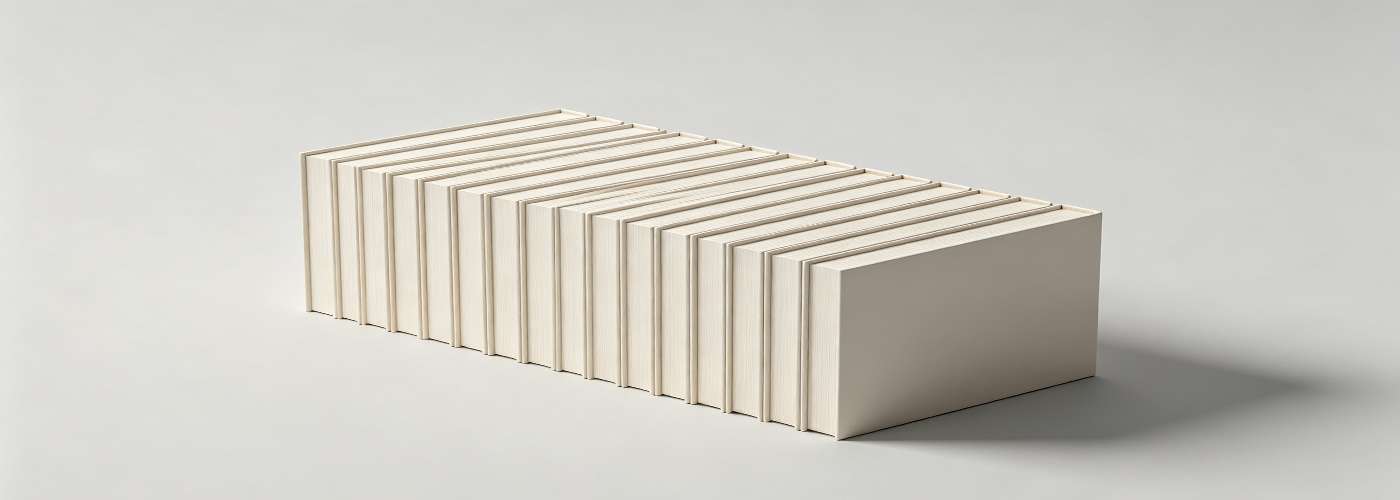
Pressing and Bundling Machine is suitable for pressing and processing on a batch of folding signatures, book blocks, exercise books, account books and etc., drived by the hydraulic power with low noise, and convenient bundling of many folding signatures for stacking, or book blocks for spine gluing, etc., easy operation.
|
Every bindery manager faces the same frustration at some point: the folding line is running at full speed, but the binding station keeps choking on loose, uneven signatures. The books come out with weak spines, the trimmer produces crooked edges, and the rejection pile grows by the hour. The root cause, more often than not, is a missing or underperforming pressing and bundling station. If you are shopping for a Hydraulic Pressing and Bundling Machine that can actually keep up with your production demands, this guide will tell you exactly what matters and what to look for.
What Features Actually Matter When Choosing a Pressing and Bundling MachineMost equipment specifications are marketing fluff. When you are spending real money on a pressing and bundling machine, there are only a handful of features that will determine whether the machine earns its keep or collects dust. Pressure adjustability is number one. A machine that can only deliver one fixed pressure—say, always at 5 tons—will work fine for one type of paper stock and destroy another. You need a range, and you need to be able to dial it in precisely. Look for machines that offer at least a 5 to 10 ton working range with a calibrated pressure gauge so your operators can set the exact force for each job. Stack capacity is the second deal-breaker. Every time your operator has to stop, unload a half-full press, and reload it with the next batch, your production line pauses. A machine with a bundling thickness capacity of 1000mm can eat an entire hour's worth of folded signatures in one cycle. A machine with half that capacity doubles your cycle count and your labor cost. Multiply that across three shifts and fifty production weeks, and the capacity difference becomes the single largest factor in your total cost of ownership.
The third feature that separates serious machines from budget options is build weight. A hydraulic press that weighs under 500kg will walk across your factory floor under load, vibrate out of alignment within months, and produce inconsistent results from day one. The 800kg frame you find on professional-grade machines is not a shipping inconvenience—it is the engineering backbone that keeps the platen parallel to the base through thousands of high-pressure cycles. Lightweight presses are for hobbyists. Professional binderies need mass. How Much Pressure Do You Really Need for Different Book Types and Paper StocksThe "more is better" instinct leads buyers astray here. A 20-ton press sounds impressive in a brochure, but for most commercial bookbinding applications, it is overkill that risks crushing delicate paper stocks and wasting floor space on an unnecessarily large hydraulic unit. What you actually need is a machine that covers the sweet spot of 5 to 10 tons with fine-grained control in between. At the lower end of the range, around 5 tons, you can safely press coated art papers, thin exercise books, and magazine signatures without risking surface marking or fiber damage. This is where most of your high-value, short-run, premium products will sit. At the upper end, approaching 10 tons, you can compress thick textbook stacks, heavy uncoated offset paper, and dense account book blocks to the density required for perfect glue adhesion. A machine with only one preset at either end of this range forces you to compromise on every job. A machine with adjustable hydraulic control across the full 5 to 10 ton spectrum lets you give every product exactly what it needs. Hydraulic Power Versus Mechanical and Pneumatic Systems Which Technology WinsThe pressing technology you choose determines the quality of every book you produce for the next decade, so this decision deserves careful thought. Mechanical cam presses are the cheapest option upfront. They work by converting rotary motor motion into a linear pressing stroke through a fixed-geometry cam. The problem is that the force curve is baked into the cam profile—you get whatever pressure the cam delivers at whatever point in the stroke the cam reaches it. There is no adjustment, no dwell time, and no consistency as components wear.
Pneumatic presses use shop air to drive a cylinder. They offer adjustable pressure through air regulation, but they are limited by two facts of physics: compressed air is springy, so the holding force fluctuates as the paper stack compresses, and the maximum force achievable from a reasonably sized cylinder rarely exceeds 5 to 6 tons on a standard 8-bar shop air supply. If you need 10 tons, you need either a massive cylinder or a higher-pressure compressor, both of which cost more than the press itself. Hydraulic systems solve both problems. The incompressible oil maintains absolutely constant pressure throughout the dwell period. The pump delivers force proportional to the work required, so a 10-ton hydraulic press does not consume 10 tons worth of electricity—it draws power only during the active compression stroke. And the pressure adjustment is continuous, not stepped, so you can set exactly 7.2 tons for that tricky coated stock that sits between your standard settings. For professional bookbinding, hydraulic is the only technology that delivers industrial-grade consistency. What a Good Bundling Function Should Actually Do Beyond Just Wrapping a StackPressing without bundling is half a solution. If you compress a stack of signatures under 10 tons of hydraulic force and then release it without securing the compression, the paper fibers will gradually relax and reabsorb ambient air over the next several hours. By the time the stack reaches the binder, it will be only marginally denser than when it left the folder. A proper bundling function locks in the compression by banding or strapping the stack while it is still under full hydraulic pressure. This means the stack retains its compressed density and flat spine profile all the way to the binding station. The practical value of this is measurable: books produced from bundled blocks show up to 30% higher pull-test strength in spine adhesion testing compared to blocks that were pressed but not bundled before gluing. Look for a machine where the bundling mechanism is integrated into the pressing cycle rather than being a separate manual step. The operator should be able to load the stack, engage the hydraulic cycle, apply the banding while the pressure holds, and then release—all in a continuous workflow that takes under two minutes per cycle. Machines that require the operator to release pressure, manually band the stack, and then re-press are wasting your labor budget. Production Capacity Planning How a 1000mm Stack Thickness Changes Your Daily OutputProduction math is unforgiving. If your folding line produces 800mm of folded signatures per hour and your pressing machine's maximum capacity is 500mm per cycle, you will always be behind. The folder will have to pause while the press catches up, or you will accumulate mountains of unpressed stacks that consume floor space and create scheduling chaos. A machine with a 1000mm bundling thickness capacity flips this equation. In a single cycle, it processes more than an hour's output from most folding machines. Your operator loads the press, starts the cycle, and returns to other tasks while the hydraulic system does its work. The folder never waits. The binder never starves. Your daily throughput is limited by your fastest machine, not your slowest one.
For capacity planning purposes, assume each pressing cycle—loading, pressing, bundling, unloading—takes approximately 2 to 3 minutes in a well-organized workflow. At 1000mm per cycle, that is roughly 20 to 30 meters of pressed and bundled signatures per hour, per machine. Whether that keeps pace with your bindery depends on your folder speed and product mix, but it will handle the output of most single-folder lines without creating a bottleneck. Making the Final Decision Between Different Pressing Machine Models and SuppliersAt this point, you should have narrowed your options to a handful of hydraulic pressing machines that meet your pressure range, stack capacity, and format requirements. The final decision usually comes down to three factors that are harder to quantify but impossible to ignore. Build quality reveals itself in the details. Open the hydraulic access panel and look at the hose routing, the fitting quality, and the general tidiness of the assembly. A machine where hoses are neatly secured and labeled is a machine that was assembled with care. A machine where hoses are tangled and unlabeled was assembled to a price point, and that philosophy extends to components you cannot see. Supplier responsiveness tells you what support will look like after the sale. Send a detailed technical question by email and time the response. If it takes three days to get an incomplete answer before you have paid anything, imagine what warranty support will look like when the machine is already installed and the invoice is already paid. Finally, talk to existing users if you can. Every supplier can produce a satisfied reference customer, but ask that reference about the problems they encountered—not the successes. Every machine has problems. The difference between a good supplier and a bad one is how those problems were resolved. |
| Tag:pressing machine,bundling machine |
Please Leave Your Messenger Here!
We will do our best to make your business prosperous!






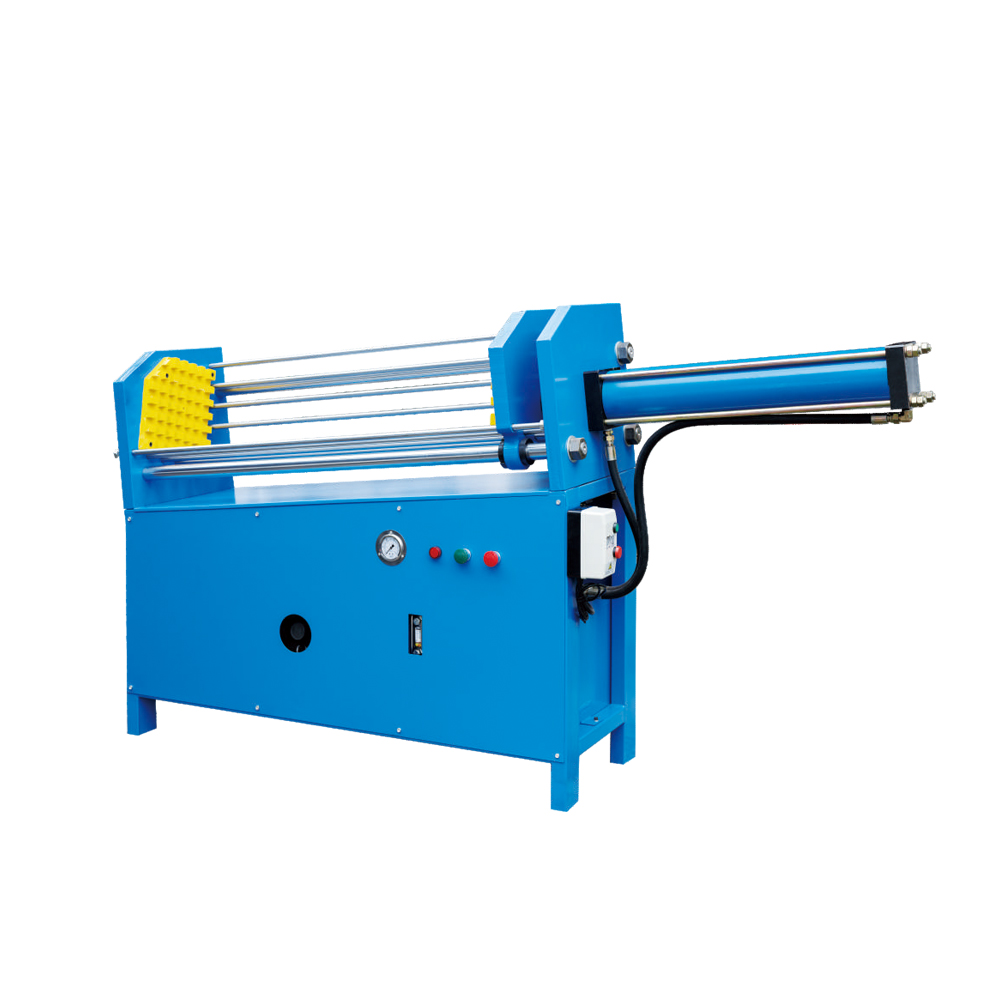 Pressing and Bundling Machine